
Iranian reactions to the US-Iran MOU
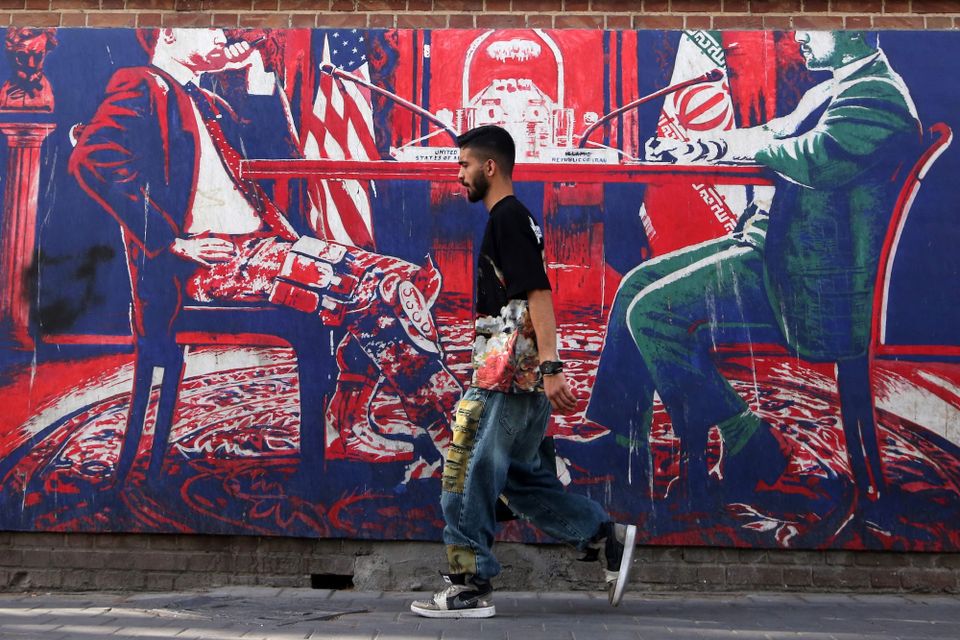
It's been an eventful week in the Middle East. We’ve had no shortage of opportunity to hear Americans’ analysis, conjecture, and opinion about the Memorandum of Understanding (MOU) the U.S. and Iran signed last Wednesday. But what about Iran? What does the online conversation look like there?
Iran’s information environment isn’t easy to access. But it’s not impossible. Using our proprietary catalog of Iran sources and our data intelligence tool Ubiquity, the FilterLabs team has been gathering insights into how Iranians—from official and regime-aligned channels to everyday Iranians on social media—are discussing the MOU. What we found surprised us.
FilterLabs’ COO Erol Yayboke spoke with Laura Kelly of The Hill about narratives and reactions in the Iranian online ecosystem for her story “Iran declares victory in deal with US, while hard-liners push for tougher terms” (June 19, 2026). But we wanted to share some additional insights on our Iran investigations with our newsletter readers.
The FilterLabs analysis team dug into our Iran data to investigate how Iranians were talking about the MOU—from official and regime-aligned narratives to the online chatter among everyday Iranians. What we expected to find, given that the Iranian government has largely stifled all but regime-friendly expression online, was some combination of praise for a strategic triumph and enthusiastic relief at the prospect of an end to hostilities.
But the actual picture was more complicated. The narratives over the MOU in Iranian media were emotions-laden, multi-faceted, and often contradictory.
On official and regime-aligned channels, narratives about an Iranian strategic victory were widespread, as were assertions that Iran's military strength had paved the way for the diplomatic win. Multiple Iranian sources—particularly Tasnim, a news agency affiliated with the Islamic Revolutionary Guard Corps—reported that U.S. attempts to modify the MOU text through military and diplomatic pressure failed: “The last development is that the military and diplomatic pressure of the United States to change the 14-point text did not work, and the US announced through the Qatari intermediary that its recent amendments are no longer needed.” This narrative was amplified across dozens of Persian-language Telegram channels. But many regime-aligned channels also voiced “didn’t-go-far-enough" critiques of the deal. Some hardliners said the agreement was “damaging” and involved “great concessions.”
Our review of Iranian social media posts and comments found similar regime-aligned victory narratives, but also evidence that many everyday Iranians are not happy with the MOU, because they feel that it didn’t go far enough given what the Iranian people have endured. Many lamented that so much blood was spilled ultimately for “nothing,” that people are looking for real change, and that the only people who are happy are the ones who support the regime. As Erol told The Hill, a smaller but vocal group of Iranians expressed frustration that the deal will further entrench the Iranian regime. A recurring theme among anti-regime Iranians—especially those with relatives who died during protests earlier in 2026—was outrage at Trump for dealing with the Islamic Republic at all.
Bottom Line: Iranians are far from united behind official victory narratives and deeply skeptical and apprehensive about what lies ahead.
Want to learn more about how to use Ubiquity to find insights like these? Check out our two-minute explainer video for a quick Ubiquity tour, then sign up for a demo tailored to your areas of interest here! Or shoot us a note at contact@filterlabs.ai; we'd love to talk about what you're working on and how Ubiquity can help.